Sociological Issues Regarding LGBTQ+
Dr. Tanmoy Mukherji
Advocate
Sociological Issues Regarding LGBTQ+
Tanmoy Mukherji
Advocate
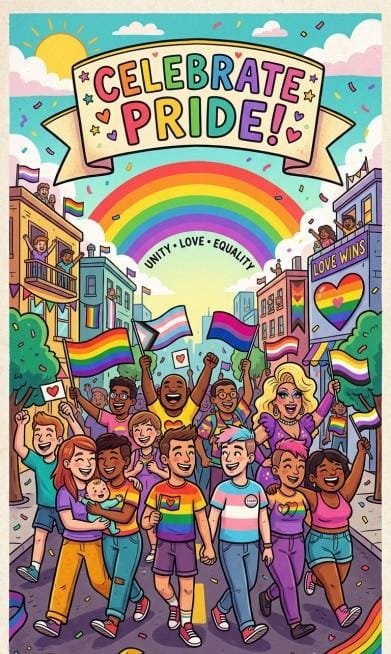
LGBTQ+ is an umbrella term used to describe people with diverse sexual orientations and gender identities that differ from traditional heterosexual and cisgender norms.
Full Form of LGBTQ+
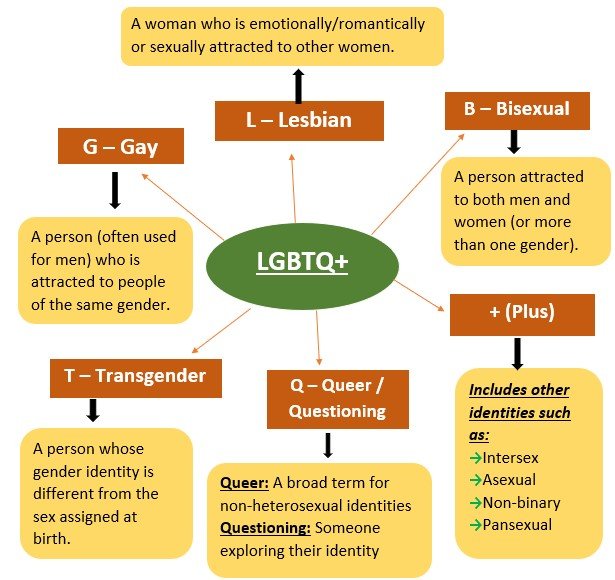
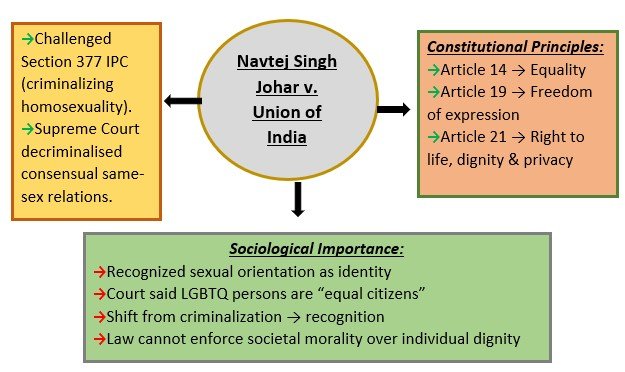
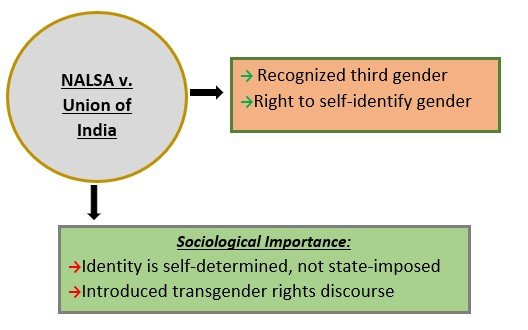
LGBTQ+ communities constitute a historically marginalised group whose identities challenge traditional norms of gender and sexuality. Sociologically, their experiences reflect the tension between individual rights and societal morality, especially in conservative societies like India. While judicial decisions such as Navtej Singh Johar v. Union of India and NALSA v. Union of India have recognised sexual orientation and gender identity as fundamental rights, social acceptance remains limited. Thus, LGBTQ+ issues today represent not only a legal struggle but also a broader transformation in social structures, cultural values, and power relations.
Major Global Sociological Issues
1. Backlash against LGBTQ+ rights
→Many countries are witnessing a rise in conservative and anti-gender movements.
→Governments are introducing or supporting laws that restrict LGBTQ+ rights.
→This is often called an “anti-gender backlash”, aiming to reinforce traditional family norms.
Example:
Increasing anti-LGBTQ+ bills and political resistance in Western countries.
2. Criminalization and violence
→In several countries, same-sex relations are still illegal.
→LGBTQ+ individuals face arrests, harassment, and violence.
Example:
Arrests and repression in Senegal under “acts against nature” laws.
3. Social stigma and discrimination
→Persistent homophobia and transphobia in society.

4. Mental health crisis-
Due to stigma and exclusion, LGBTQ+ individuals face:
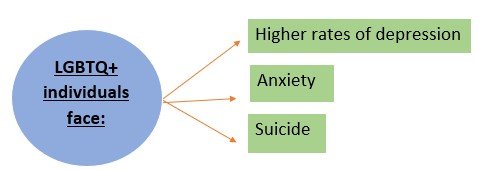
5. Digital and online harassment-

Sociological Issues in India-
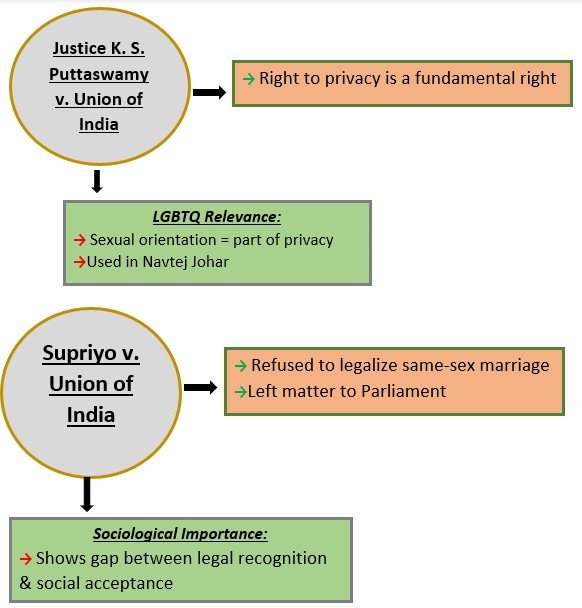
1. Lack of legal recognition (especially marriage)
→Same-sex marriage is not legally recognized.
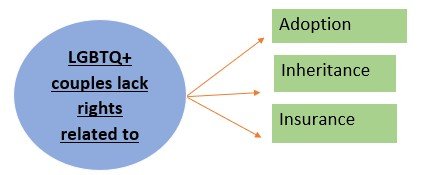
Courts have left the issue to Parliament, delaying progress.
2. Policy gaps and slow progress-
→India shows partial inclusion but slow national reforms.
→Urban areas are more accepting than rural ones.
3. Controversial transgender laws-
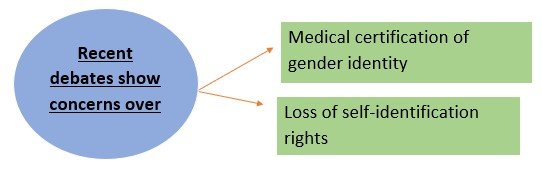
→Activists call such measures regressive and invasive.
4. Family and societal pressure-
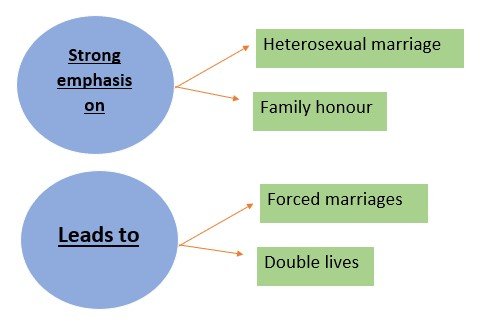
5. Intersectionality (caste, class, gender)-
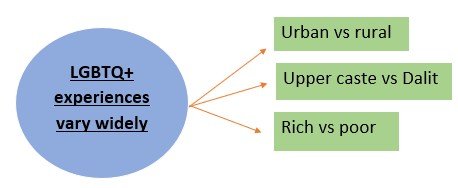
→Many marginalized queer voices remain invisible.
6. Employment and economic exclusion-

7. Education and awareness gap
→LGBTQ+ topics are largely absent in school curriculum

8. Health care challenges

9. Changing family structures-

→Society is slowly shifting from biological family to “chosen family” concepts.
Emerging Trends
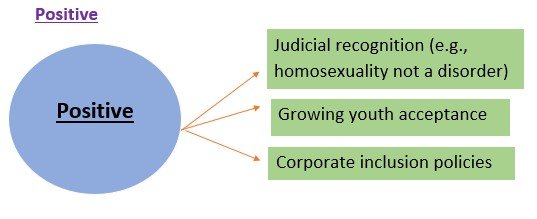

→LGBTQ+ issues today reflect a clash between tradition and modernity:

→The main sociological theme is: “Recognition vs Resistance”.
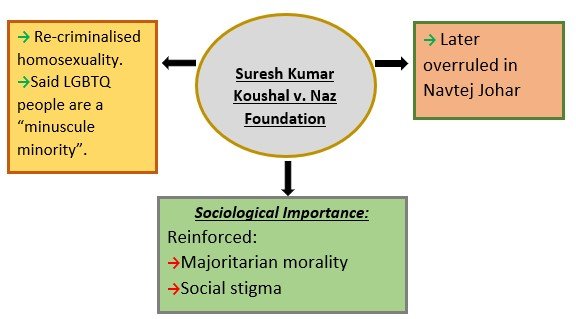
Indian Case Laws on LGBTQ+ Issues-


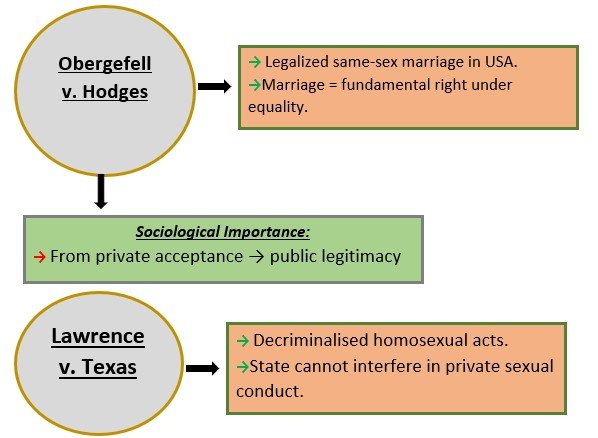
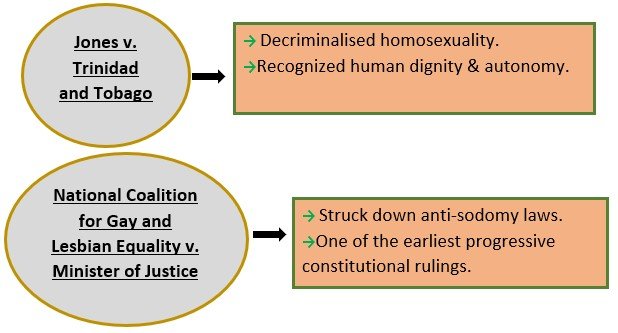
Foreign Case Laws-

we believe in a holistic approach to legal education building not just lawyers, but socially conscious leaders of tomorrow.
